

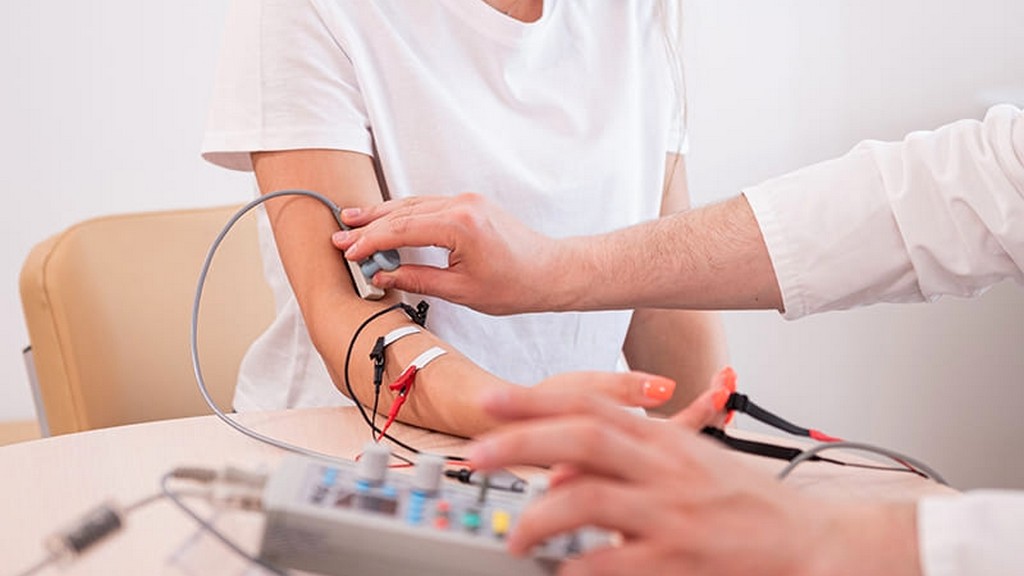
Here is the scientific experimental analysis of this therapeutic device regarding pain management.
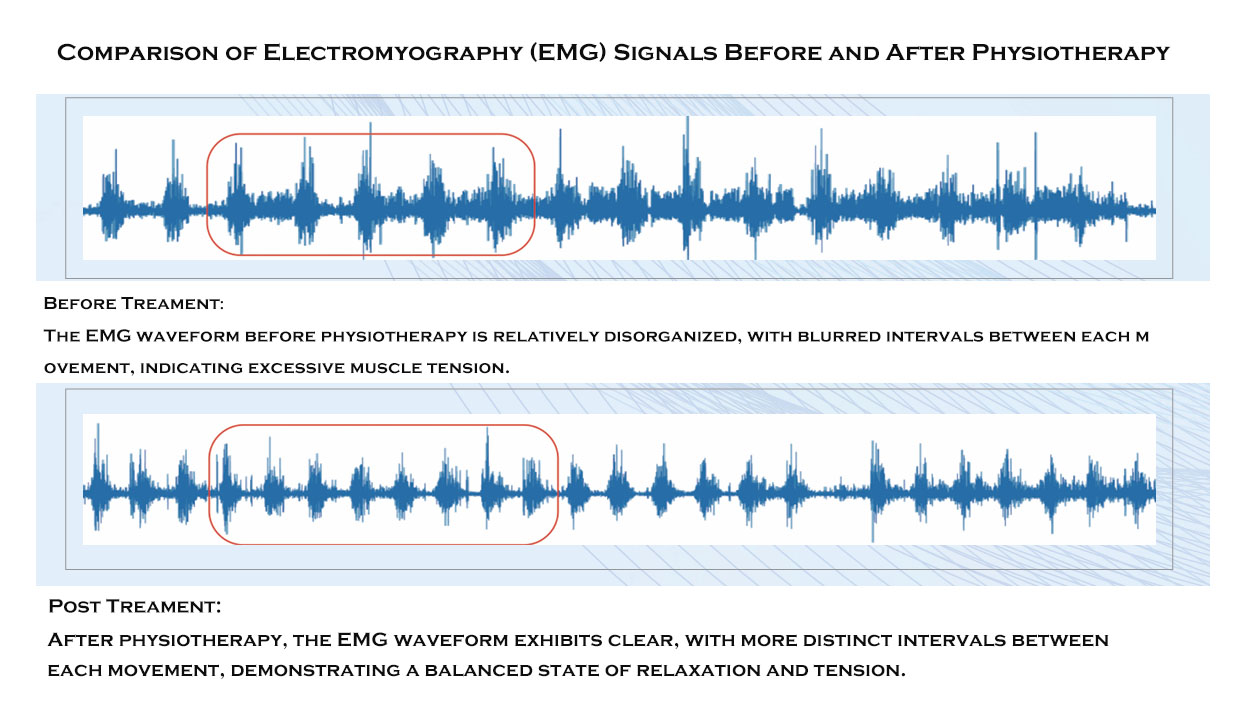
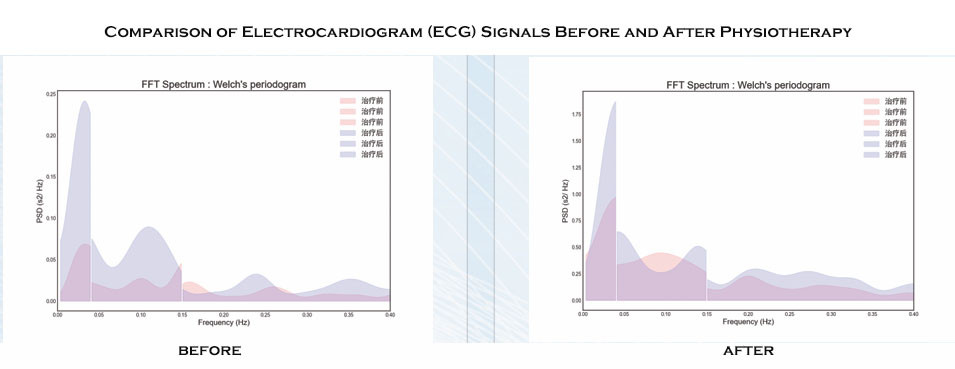
Before physiotherapy, it can be observed that the energy levels of VLF (Very Low Frequency) and HF (High Frequency) are relatively low, indicating that the activities of the sympathetic and parasympathetic nerves are relatively weak or unstable.
After physiotherapy, a significant increase in the energy of VLF (Very Low Frequency) and HF (High Frequency) bands can be observed, indicating enhanced and more stable activity of both the sympathetic and parasympathetic nervous systems, as well as an improvement in the overall balance of the autonomic nervous system.

*Under pain-free resting conditions, the electroencephalogram (EEG) signals exhibit stable characteristics, reflecting a state of wakefulness and calmness in the brain.
*Under capsaicin-induced pain conditions, electroencephalogram (EEG) signals exhibit non-stationary and disorganized characteristics, reflecting an excited state of the brain.
*After therapy, the EEG signals periodically exhibit stable characteristics similar to those observed during the resting state, reflecting the brain’s effective suppression of pain perception and its gradual return to a calm state.
