


What is AI Rehabilitation & Meridian Pain Relief Device? Click here to have a look on our video introducion page before reading the content below.
The AI Rehabilitation Meridian Pain Relief Device develop is not just merely a technological innovation; it is a strategic engine propelling the rehabilitation and physical therapy industry towards intelligent, standardized, and high-value development. The following analysis systematically outlines the core value this device brings to rehabilitation institutions from multiple dimensions, including economic benefits, brand enhancement, and solutions to industry pain points.
I. Three Core Advantages of the AI Rehabilitation Meridian Pain Relief Device
1. Significantly Reduces Labor Costs and Improves Operational Efficiency
* Liberates Skilled Professionals: The device can automatically formulate treatment plans and execute therapies, freeing therapists from repetitive and physically demanding manual tasks. This allows them to focus on more complex patient assessments, communication, and personalized plan adjustments, enabling “one therapist to supervise multiple devices” and dramatically improving the staff-to-patient efficiency ratio.
* Reduces Absolute Dependence on Top-Tier Technicians: The effectiveness of traditional manual therapy heavily relies on the therapist’s personal experience and physical stamina. This device digitizes and standardizes the expertise of top practitioners, mitigating the risks of service quality fluctuations and operational instability caused by staff turnover or fatigue.
* Optimizes Service Workflow: Automating the process from assessment to treatment reduces the service time per client. This increases the daily patient capacity without adding staff, directly raising the revenue ceiling.
2. Supports Higher Service Fees and Enhances Profitability
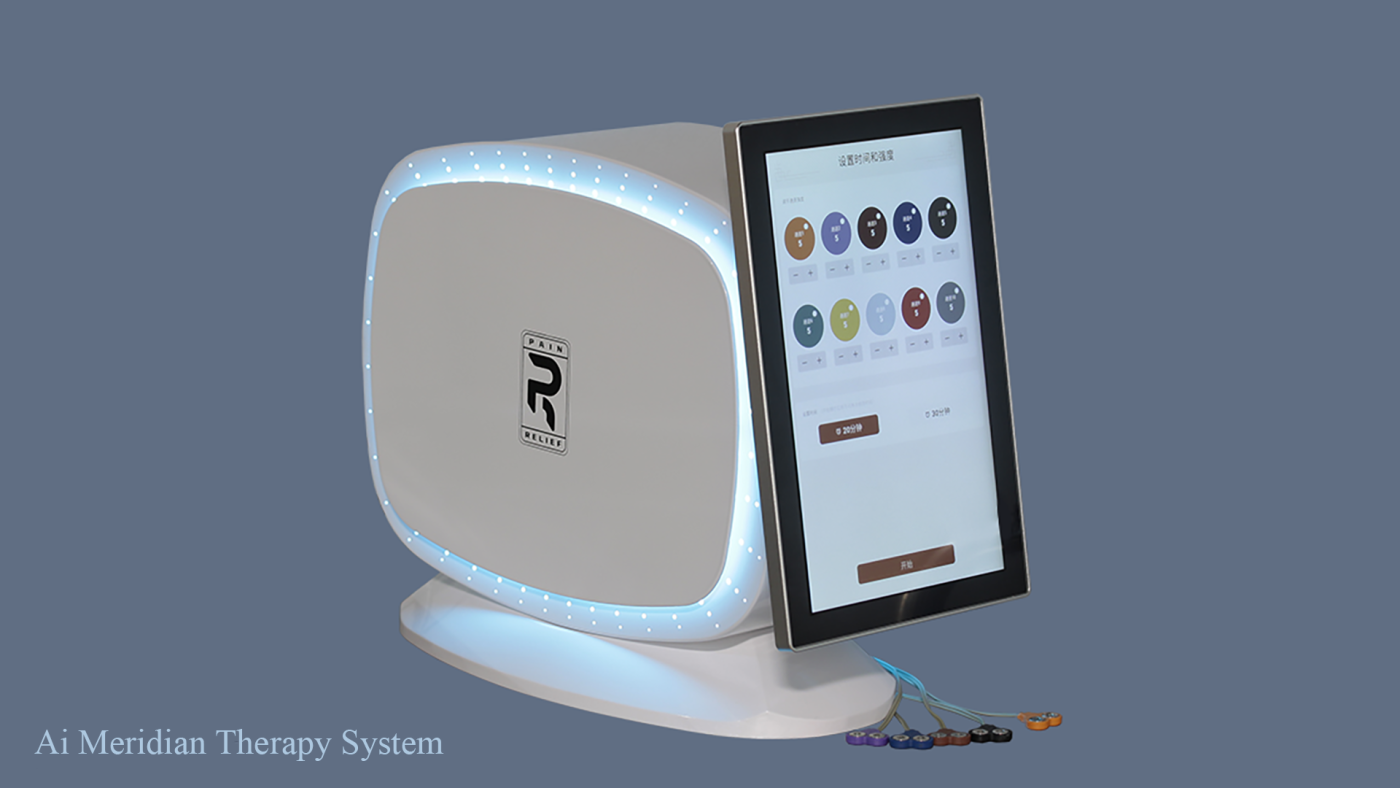
* Clear Value Proposition: Integrating “AI-powered precision planning” with “electromagnetic acupuncture technology,” the device’s high technological content and innovativeness provide a solid foundation for premium pricing. Customers are more willing to pay for clear “technological efficacy” and a “standardized experience” than for vague “manual techniques.”
* Quantifiable and Demonstratable Service: Treatment parameters, planning logic, and expected progress can all be presented through data, making the service value visible. This addresses the pricing challenge of manual therapy, which often seems “indefinable and intangible,” making it easier to justify higher fees..
* Enables Premium Service Packages: It can serve as the core equipment for high-end service packages, creating differentiated pricing from basic manual therapy and attracting clientele seeking better outcomes, efficiency, and a high-tech experience.
3. Projects a High-Tech Clinic Image to Strongly Attract Clients
*. Establishes Differentiated Brand Perception: In a market often promoting “veteran Chinese medicine practitioners” or “master therapists,” the intelligent AI rehabilitation device instantly projects an image of being “cutting-edge,” “scientific,” and “smart.” This attracts younger, well-educated clients and those who value technological innovation and seek predictable results.
* Enhances Trust and Authority: Treatment plans supported by AI and objective data reduce perceived “mysticism,” increasing the scientific and authoritative nature of the process and making it easier to gain initial patient trust.Enhances Trust and Authority: Treatment plans supported by AI and objective data reduce perceived “mysticism,” increasing the scientific and authoritative nature of the process and making it easier to gain initial patient trust.
* Creates a Superior Experience: The intelligent interactive process and the precise experience of electromagnetic acupuncture themselves constitute a high-value customer experience, significantly boosting service value added and potential for word-of-mouth promotion.
II. Inherent Drawbacks of Traditional Manual Therapy and AI-Powered Solutions
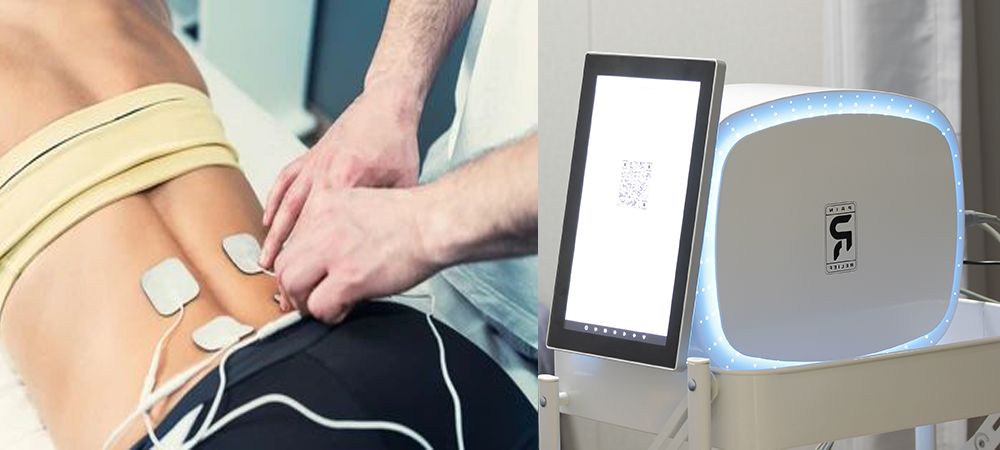
While manual therapy embodies practitioner wisdom, it has inherent limitations in standardized operation and scalable service delivery:
Manual Therapy Drawback Description
Targeted Solution by the AI Rehabilitation Pain Relief Device
1. Efficacy is highly dependent on individual experience and condition, making standardization difficult.
Variations between therapists, or even in the same therapist’s condition at different times, lead to inconsistent results and unstable service quality.
AI Digital Therapy Expert System: Integrates the expertise of top practitioners and vast case data to generate quantifiable, consistent optimal treatment plans. Ensures every session is based on “best practices,” delivering stable and reliable baseline efficacy.
2. High labor costs and difficulty in scaling.
Training an excellent therapist is time-consuming and costly. Furthermore, there is a physical limit to the number of patients one therapist can treat per day, severely restricting business growth by human resource constraints.
“AI Planning + Automated Execution” Model: Upgrades the therapist’s role to “therapy manager” and “plan optimizer.” One therapist can manage multiple devices and serve more patients daily, achieving controllable labor costs and scalable service expansion.
3. Fatigue accumulation during treatment poses occupational injury risks.
Prolonged, high-intensity physical manipulation easily leads to therapist fatigue, affecting treatment efficacy later in the day and potentially causing work-related musculoskeletal disorders (e.g., tendonitis, lower back strain).
Fully Automated, Precise Implementation: The device executes electromagnetic acupuncture with precision, requiring zero physical exertion. This completely eliminates efficacy decline and occupational risks due to therapist fatigue, ensuring consistent service quality.
4. Patient perception is vague, and value is difficult to externalize.
The treatment process and outcomes often rely on patients’ subjective sensations (“soreness, numbness, distension”), lacking objective data recording and comparison. This can undermine treatment confidence and renewal rates.
* Data-Driven Treatment Course Management: Records treatment parameters, physiological feedback (with optional accessories), and outcome assessments throughout the process. Generates visual rehabilitation progress charts. Making progress “visible” greatly enhances treatment persuasiveness and client retention.
5. Intense market homogenization and weak pricing power.
“Manual therapy” is often perceived as low-barrier, easily leading to price competition. It is difficult for institutions to build effective competitive moats based on the treatment process itself.
* Builds Technological Barriers and Brand Moat: Shifts the core competition from “human skill” to “AI algorithms and hardware technology.” The intelligent device itself becomes a high-barrier, hard-to-replicate core asset and source of competitive advantage, enabling control over pricing priority。
AI Rehabilitation Meridian Pain Relief Device is not merely a tool to replace manual therapy; it represents a profound upgrade in the industry’s productivity. It transforms rehabilitation and physical therapy from a “skill-dependent” service into a “technology-driven” precision medical product, directly addressing fundamental challenges in standardization, scalability, cost control, and value demonstration within the industry.
